
Chickens have woven their way into the fabric of U.S. life in more profound ways than many may realize. Their fascinating history not only reflects the evolution of agriculture in the U.S. but also highlights the importance of preserving biodiversity. Over the past 250 years, the humble yard bird has transformed into a cornerstone of our diet. Their journey embodies a story that encompasses cultural significance, economic development and a call to cherish our agricultural heritage and preserve biodiversity.
Original Homestead Flocks
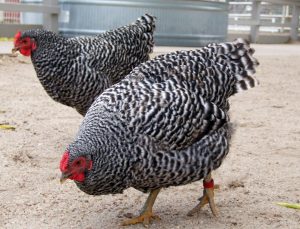
Dominique chickens
In the 17th and 18th centuries, European settlers brought hardy chickens to North America. These birds thrived in their new environment, foraging for food and providing families with a steady supply of eggs and meat. During this time, eggs served as a consistent source of protein, while raising chickens for meat was a slower, more resource-intensive endeavor. Women and children often managed these flocks, integrating them into their self-sufficient lifestyles. The genetic diversity of these homestead flocks ensured their resilience against disease and scarcity, paving the way for the emergence of America’s first homegrown breed, the Dominique, renowned for its hardiness and productivity.
The Chicken Craze
The mid-1800s saw the birth of “the Chicken Craze”, a phenomenon fueled by the importation of Asian breeds like Cochins. This excitement ignited nationwide interest in chicken breeding and sparked interest in poultry exhibitions, leading to increased imports. As people admired prized birds, several iconic American breeds were developed, including Rhode Island Whites, celebrated for their prolific year-round egg production; Jersey Giants, recognized for their hardiness as dual-purpose birds; and Buckeyes, another exceptional dual-purpose breed.
Economic Backbone
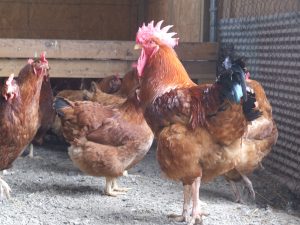
New Hampshire chickens
As the 20th century dawned, chickens became the backbone of many local rural economies. Small-scale operations thrived, with women playing a central role in tending flocks and generating vital income through the sale of eggs and chicks. Vintage images from the early 1900s often portray charming mixed flocks, showcasing a rich diversity of breeds, from elegant Campines to sturdy New Hampshires. Innovations, such as petroleum-fueled incubators and improved feed, improved production rates, but the importance of diversity within these flocks remained essential for meeting family needs and ensuring resilience.
Abundance at a Cost
The 1940s marked a turning point in poultry production. Iconic photographers like Ansel Adams captured idyllic scenes of free-ranging flocks on family farms, but the post-WWII food landscape shifted dramatically. As food demand surged, industrial farming took center stage. Controlled breeding shifted its focus to uniform hybrids, leading to faster-growing broilers designed to minimize production costs and boost supply. By the late 20th century, chicken consumption had exploded, surpassing pork and rivaling beef as America’s most-consumed meat. Increased demand and attempts to meet it led to the widespread loss of diverse chicken breeds as traditional coops gave way to vast broiler houses. While chicken became an everyday staple, the species nearly lost many of the important traits of heritage breeds.
A Call for Conservation
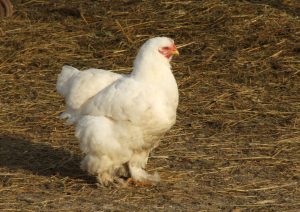
Delaware rooster
Conserving heritage chickens isn’t just about nostalgia; it’s a pragmatic approach to securing our future. In the late 20th century, the importance of maintaining heritage livestock and poultry was recognized, and coordinated efforts began to have an impact on many chicken breeds. The Livestock Conservancy’s Conservation Priority List, now in its 39th year, tracks nearly 50 at-risk poultry breeds, from the critically endangered Araucana to the recovering non-industrialized Leghorn. Each rescue effort, supported by established and new chicken breeders, breed organizations and hatcheries, has been a beacon of hope for biodiversity and food security.
Your Role and the Future
Raising heritage chickens and sourcing their meat and eggs promotes biodiversity, supports small-scale farming, and honors the centuries-long contributions these breeds have made to America’s sustainable food systems. Each bird raised represents a step away from monoculture and contributes to the conservation of their breed and our agricultural legacy. From pre-revolutionary chicken yards to modern-day backyards and homesteads, heritage chickens embody America’s agricultural evolution. By committing to their conservation today, we can ensure they remain a part of our future. Imagine a future where these breeds thrive in diverse environments, providing food security across the nation. When progress respects and honors history, it benefits everyone.
 Special thanks to Murray McMurray Hatchery for sponsoring Celebrating 250 outreach and content about chickens. Visit them at www.mcmurrayhatchery.com
If you’re considering chicken ownership, you can learn more about each heritage breed on The Livestock Conservancy’s Conservation Priority List at https://livestockconservancy.org/heritage-breeds/conservation-priority-list/.
If you’d like to talk with a breeder or find local sources for chicks or eggs, you can most likely find what you’re looking for in our online Breeders and Products Directory at https://livestockconservancy.org/heritage-breeds/breeders-directory/
If you want to support the ongoing work of The Livestock Conservancy, you can become a member or make a donation at https://livestockconservancy.org/
Raising awareness of heritage breeds is the first step to preventing their extinction. You can help by following our Facebook or Instagram page and sharing our posts to spread the word. https://www.facebook.com/livestockconservancy


