Breed Facts
Status:
Recovering
Use:
Meat, Exhibition, Pet
Adult Weight:
Both: 8-11 lbs.
Temperament:
Friendly
Experience Level:
Novice
Notes:
Mature quickly; hardy; like to explore
PALOMINO RABBIT
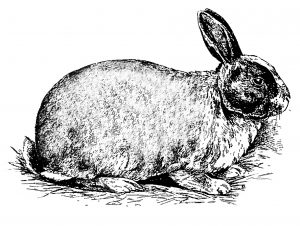
The town of Coulee Dam, located along the Columbia River in central Washington, was home to Mark Young, the developer of the Palomino rabbit breed. His efforts began in 1910 when he purchased local meat rabbits with the intention of creating his own breed for meat and exhibition. He selected the kits with light yellow or buckskin coloration and bred them with rabbits of other sources. The specific identity of these other rabbits remains a mystery in the history of the Palomino’s development.
Young’s work continued throug the 1950’s. By then the breed was characterized by beige coloration, and Young began to refer to them as the American Beige. Later he adopted the name “Washingtonian,” however, he was still not satisfied with the name. At the 1952 American Rabbit Breeders Association exhibition, Young put a coffee can next to his cages and invited people to suggest possible breed names. The winning name was “Palomino,” and so they are known to this day.
The Palomino Rabbit Co-Breeders Club was founded in 1955, and in 1957, the American Rabbit Breeders Association (ARBA) recognized the Palomino breed. Today, the Palomino is still an excellent meat rabbit and its attractive colors and even temperament make them a desirable show animal or eye-catching pet. Palominos are recognized in two color varieties, Lynx (a silver/gray surface color that blends into a beige/orange or white/cream coat) and Golden (which has a white undercoat with an orange/beige surface color). They have brown eyes and a commercial body type. They weigh 8-11 lbs., mature quickly, and are very hardy rabbits.

Palomino Rabbit
Palominos like to explore and will wander around any space available to them. They are friendly and are a good breed for families with children and first-time owners.
Did you know:
No breed included on the Conservation Priority List has gone extinct since The Livestock Conservancy began work in 1977. Fourteen breeds have graduated off the CPL since 2014, including the Wyandotte chicken in 2016, Highland cattle in 2019, and Hereford pigs in 2024.
Breed Facts
Status:
Recovering
Use:
Adult Weight:
Temperament:
Experience Level:
Notes:
You may be interested in…